
UHF RFID Chips

The importance of UHF RFID Chips in garments and linen
The use of chips in garments and linen is all about efficient stock management and fast delivery. With a chip in garments, linen, or personal protective equipment (PPE), traceability, stock management and timely deployment can...

Smart distribution system for garments: Improve customer friendliness within your organisation
Garments are more than just a piece of fabric. It is emotion, identity and it can contribute to your organisation's image. Therefore it is not surprising that the people responsible within an organisation often see...

Hygiene starts with clean garments
The healthcare sector has long applied strict rules for hygiene with respect to garments. Stricter laws and regulations with regard to hygiene have been imposed over the last few years. Even other (crucial) sectors and...

Utilising garments for in the professional environment: sufficient stock versus efficient garments management
At organisations that use garments for uniforms, it is important that there are always clean garments available for all employees. Hygiene, uniformity, protection or a combination of the three are often the reason for utilising...

Are your employees in line for a long time, waiting for clean garments?
Garments are personal protective equipment. In many countries, the law requires for employers to issue protective equipment to its personnel. For a small organisation, issuing garments is often a side issue, garments are purchased and...

Limit the loss and destruction of workwear with RFID chip technology
The use of workwear is becoming increasingly common in various sectors, such as the care, hospitality and food sectors, among others. Often, it is the employer who buys or rents the garments and then makes...

Guidelines for occupational garments regarding hygiene and infection prevention
Within various industries, the guidelines for occupational garments regarding hygiene and infection prevention are becoming increasingly stringent. Ensuring a clean and safe working environment is essential. An efficient approach is to distribute garments on a...
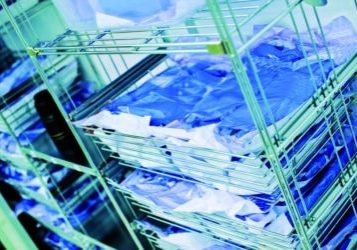
Manual vs. automated workwear management in healthcare
In many healthcare institutions, the issuing of workwear is still organised manually: through a service desk, a clothing cupboard with or without registration, and sometimes an Excel overview maintained by the facilities team. It works,...
Digital transformation in the laundry sector
The laundry sector has traditionally been an industry where physical processes take centre stage: washing, drying, ironing, folding, sorting, delivering. Machines and logistics set the pace. Yet the focus is shifting. More and more laundries...

Decentralised workwear dispensing: closer to the shop floor
In many industrial environments, workwear dispensing is organised centrally: a clothing store near the entrance, a counter at the staff entrance or a changing room some distance from the production hall. It works, but it...

HACCP compliance and workwear management: what is expected during audits?
In the food industry, workwear is more than just clothing. It is part of the food safety system. During HACCP audits, inspectors look beyond production processes and temperature control — they also assess how an...
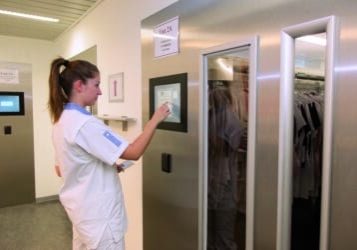
A better workplace at clothing dispensing: less strain on your facilities team
Have you ever stopped to consider that issuing work clothing puts not only a physical but also a mental burden on facilities staff? Sorting clothing by name, checking whether everyone actually has the right set...